Lung Cancer Care
Expert Care Along Your Lung Cancer Journey
Lung cancer is one of the most common and serious cancers in the United States, and it affects more people in Kentucky than anywhere else in the country. At St. Elizabeth Healthcare, we provide complete lung cancer care close to home, from early detection and diagnosis to advanced treatment and ongoing support. Our thoracic surgeons, oncologists, nurse navigators and support specialists work together to create personalized treatment plans focused on clinical excellence, compassion and a healthy future for each patient.
Why Choose St. Elizabeth for Lung Cancer Care?
At St. Elizabeth, our lung cancer care centers focus on people first. From early detection through treatment and support, our teams guide patients with clarity, coordination and compassion — so no one faces a lung cancer diagnosis alone.
Why patients choose St. Elizabeth for lung cancer care:
- Advanced screening and early detection: We offer a robust lung cancer screening program that has completed tens of thousands of low-dose CT scans, helping identify many cancers at earlier stages, when treatment may be most effective.
- Multidisciplinary expertise: Care is delivered by a coordinated team of thoracic surgeons, pulmonologists, oncologists, radiologists and nurse navigators who work together to personalize care at every step.
- National recognition for quality: Designated as a Care Continuum Center of Excellence by the GO2 Foundation for Lung Cancer, we’ve earned high-performing rankings from U.S. News & World Report for cancer care procedures, reflecting a commitment to quality, coordination and patient-focused care.
- Care close to home: Comprehensive lung cancer care serves patients across Northern Kentucky, Southeastern Indiana and the Greater Cincinnati region, reducing barriers while maintaining high standards of care.
What Is Lung Cancer?
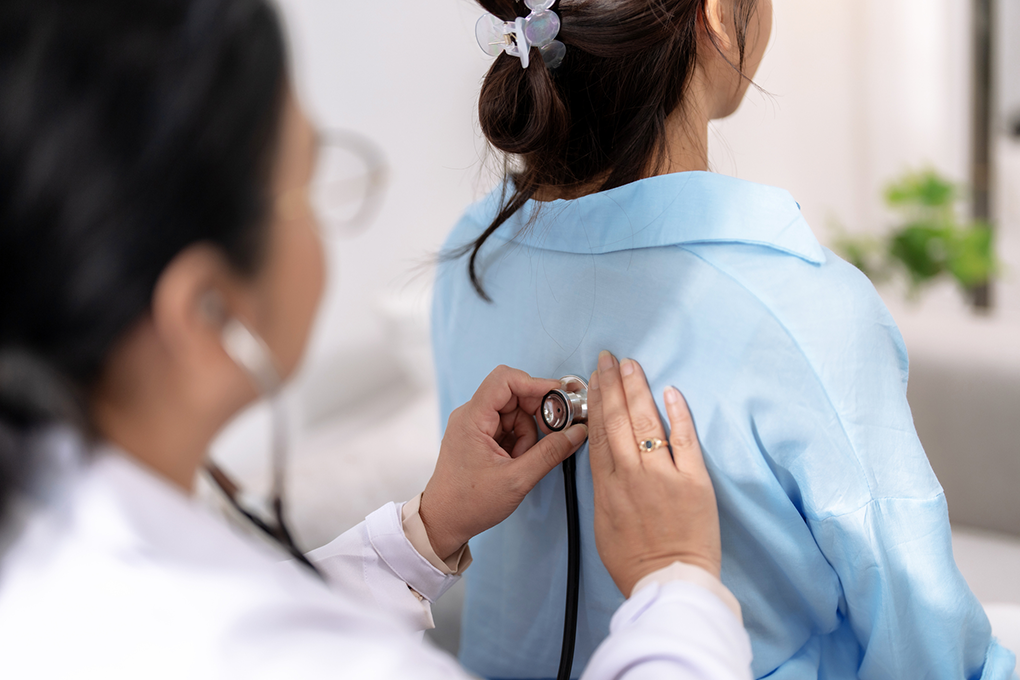
Lung cancer begins when abnormal cells grow uncontrollably in the lungs. It often develops without symptoms in early stages, which is why lung cancer screening and timely evaluation play an important role in detecting it early when treatments are most effective. Lung cancer can be diagnosed at different stages, and treatment options are specific to the cancer type, stage and your overall health.
What Are the First Signs of Lung Cancer?
Lung cancer does not always cause symptoms right away. When lung cancer symptoms appear, they may include:
- A persistent or worsening cough.
- Chest pain.
- Coughing up blood.
- Fatigue.
- Recurrent respiratory infections.
- Shortness of breath.
- Unexplained weight loss.
If symptoms do not go away or start to get worse, talk with your provider.
What Causes Lung Cancer?
While smoking is a major risk factor, lung cancer also can occur in people who have never smoked, which is why awareness, early detection and expert care are so important. Several factors can increase lung cancer risk, including:
- Family history.
- Occupational or environmental exposures.
- Radon exposure.
- Secondhand smoke exposure.
- Smoking or former smoking.
Lung Cancer Prevention
You can’t prevent every case of lung cancer, but some steps can lower risk. Avoid tobacco, limit exposure to secondhand smoke, test your home for radon and use proper protection if you work around fumes, dust or chemicals. If you are at higher risk, screening can also help find lung cancer earlier.
Types of Lung Cancer
The two main types of lung cancer are:
- Non-small cell lung cancer (NSCLC)– the most common form.
- Small cell lung cancer (SCLC)– a faster-growing type.
How Is Lung Cancer Diagnosed?
Your expert care team uses a combination of advanced imaging, testing and evaluation to understand what’s happening and what it means for you. This careful approach helps guide treatment decisions that fit your diagnosis, health needs and goals.
What Are the Stages of Lung Cancer?
Doctors use stages to describe how much the cancer has spread. Knowing the stage helps your care team decide what treatments make sense, and it guides discussions with you about what comes next. They’ll take time to explain it in a way that’s easy to understand.
Lung Cancer Screening
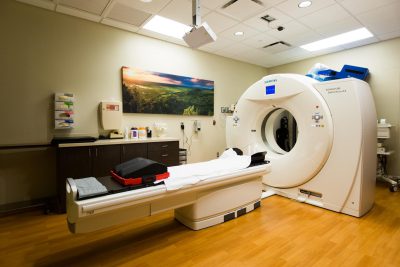
Early detection can save lives. St. Elizabeth Healthcare offers low-dose CT lung cancer screening for people at higher risk. This screening can identify lung cancer before symptoms appear, when treatment may be most effective.
What Are the Common Treatments for Lung Cancer?
Treatment depends on cancer type, stage, overall health and patient goals. Options may include:
- Surgery.
- Radiation therapy.
- Medical oncology treatments such as chemotherapy, targeted therapy or immunotherapy.
We develop care plans through a collaborative, multidisciplinary approach.
Is Lung Cancer Curable?
Lung cancer prognosis depends on several factors, including the cancer type, stage, overall health and how the cancer responds to treatment. When lung cancer is found early, treatment can be highly effective. Even in advanced stages, treatment can help control the disease, relieve lung cancer symptoms and improve quality of life.
Your care team will talk with you about what this means in your situation and what to expect next.
What to Expect After a Lung Cancer Diagnosis
After a lung cancer diagnosis, care begins quickly and thoughtfully. A coordinated team helps explain results, outlines next steps and guides treatment decisions. Nurse navigators support scheduling, education and communication so you never feel alone or uncertain about what comes next.
Meet Our Lung Cancer Specialists
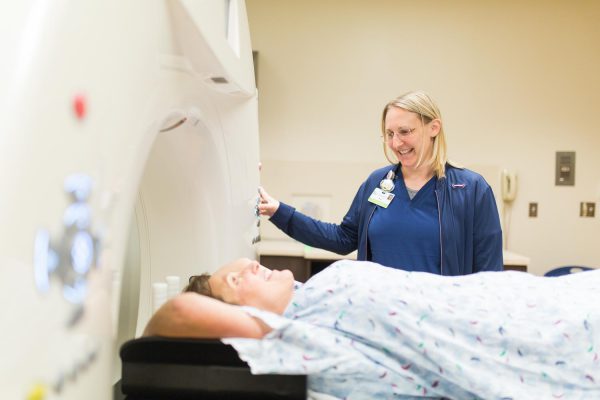
Our lung cancer team includes thoracic surgeons, medical and radiation oncologists, pulmonologists, nurse navigators, and support specialists who collaborate to guide care from diagnosis through treatment and follow-up.
Common Questions About Lung Cancer
Schedule Your Appointment Today
Call Your Primary Care Provider
Talk to your primary care physician about when you should have your cancer screenings. Call (800) 737-7900.