Chemotherapy

What is chemotherapy?

Chemotherapy — sometimes called “chemo” — is a medicine used to kill cancer cells. Chemotherapy can be used alone or in combination with surgery and/or radiation.

Which chemotherapy is best for me?

The Cancer Care team at St. Elizabeth Healthcare will create a personalized treatment plan for you. When developing your care plan, your medical team will evaluate the type and stage of cancer and any additional health issues. They may also conduct molecular testing to tailor treatment to you.

How does chemotherapy work?

Chemotherapy attacks and kills rapidly dividing cells. Many normal cells in your body also divide quickly, and unfortunately, chemo cannot tell the difference between your normal cells and your cancer cells. Chemotherapy typically wipes out all of your rapidly dividing cells, both good and bad.
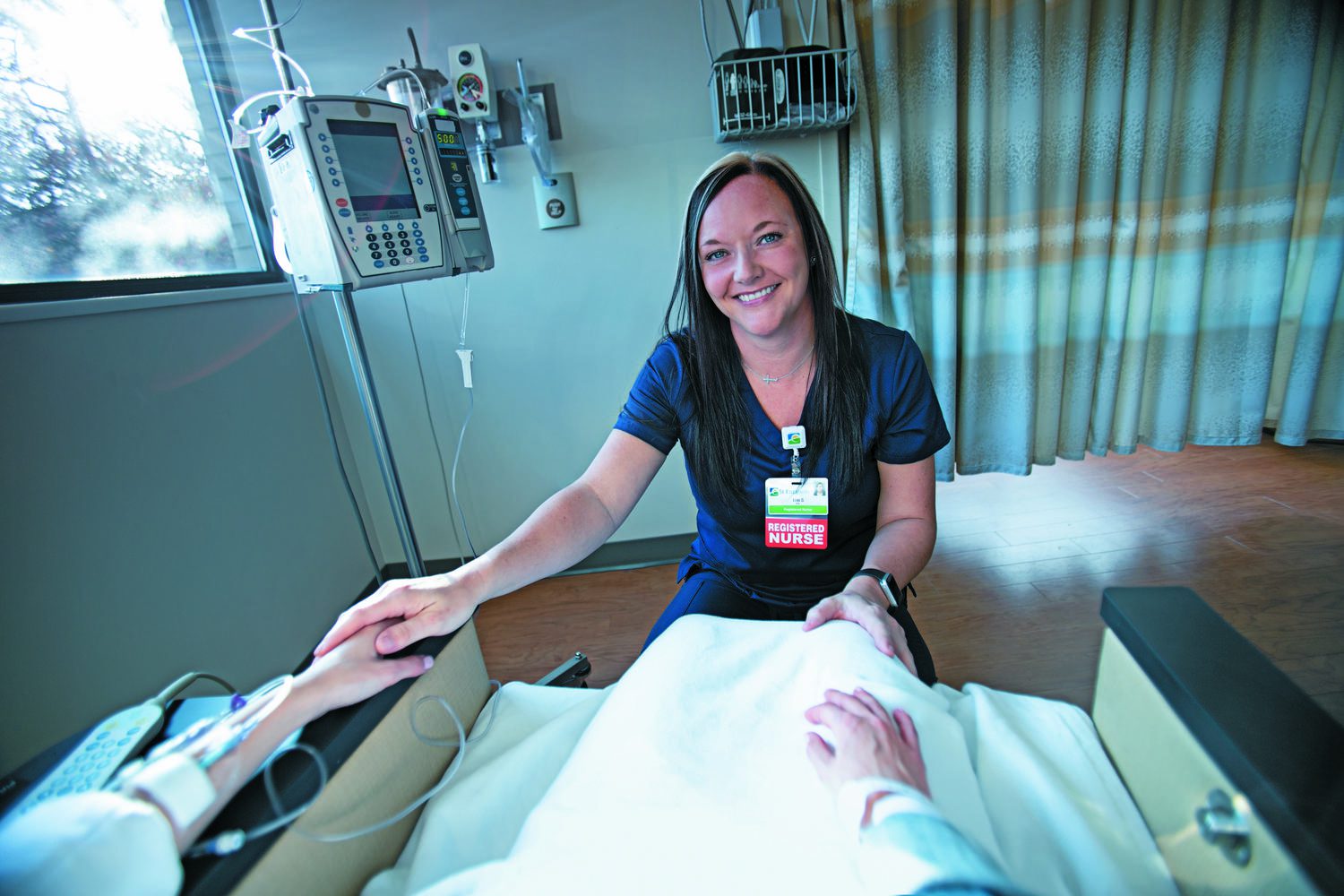
Chemotherapy Nurse

Make an appointment

For more information, please contact your oncologist or the Cancer Care Center at (859) 301-4000

What is the goal of my treatment?

Depending on your type and stage of cancer, there are different goals of treatment:

Adjuvant treatment: Medication used in addition to or after the main treatment (such as after surgery).

Curative treatment: Medication treatment used to cure the disease and completely eliminate it from the body.

Neo-adjuvant treatment: Medication that is given before the main treatment (such as before surgery). In this setting, the chemo is typically used to shrink tumor size before surgery.

Palliative treatment: Chemotherapy or other medication that is given to relieve symptoms, shrink disease and reduce pain. It is not expected to provide a cure.

What to Expect During Chemotherapy

We emphasize patient understanding and individual privacy during chemotherapy treatments. You will be counseled before treatment to explain the nature of the medications used to fight your cancer and how you can help reduce the side effects. Your nurse will explain each medication to you before it is administered. Since some medications given along with chemotherapy may cause drowsiness, you are asked to bring along a family member or friend to escort you home after your first treatment. If you do not become drowsy with your first treatment, you may drive yourself for subsequent visits.


Frequently Asked Questions About Chemotherapy

Chemotherapy affects fast-growing cells, including cancer cells and some healthy cells. As a result, some patients experience side effects during treatment.
Common chemotherapy side effects include:

  • Fatigue.
  • Nausea or vomiting.
  • Hair loss.
  • Mouth sores.
  • Changes in appetite.
  • Increased risk of infection.

Not everyone experiences the same side effects. Many people have mild symptoms, and medications can help manage many of these effects.

Hair loss can occur with some chemotherapy drugs, but not all chemotherapy treatments cause hair loss. If hair loss happens, it usually begins two to three weeks after treatment starts. Hair almost always grows back after chemotherapy ends, although the color or texture may be slightly different at first. Your care team can help you prepare for this possibility and connect you with supportive resources such as wigs, scarves and counseling.
Chemotherapy infusion appointments can last anywhere from less than an hour to several hours, depending on the medications used and your treatment plan. Some treatments are short visits, while others may take four to six hours. Your appointment length depends on the type of chemotherapy you receive, the dose and how your body responds to treatment. Before your first infusion, your care team will explain how long your treatments will likely take and what to expect during your visit.
Chemotherapy appointments can last several hours, so bringing a few personal items can help you stay comfortable. Patients often wear comfortable clothing and bring a blanket or sweater, snacks or drinks and books, tablets or headphones. Some patients also bring a friend or family member for support, especially during their first treatment. Your care team will explain what to expect and answer any questions before your first chemotherapy session.
Many people continue working during chemotherapy, although their schedules may change. Your ability to work depends on your treatment schedule, the type of chemotherapy you receive and how you feel during treatment. Some patients adjust their hours or take time off during certain treatment cycles. Your St. Elizabeth Healthcare cancer care team can help you plan around treatment and connect you with supportive resources if needed.
Most chemotherapy drugs leave the body within 48 to 72 hours after treatment, although this can vary depending on the medication used. The liver and kidneys process the drugs, which leave the body through urine, stool, sweat and vomit. During this time, small amounts of chemotherapy may be present in body fluids.

Chemotherapy can temporarily lower white blood cell counts, which may increase your risk of infection.
You can reduce your risk by taking simple precautions such as:

  • Washing your hands frequently.
  • Avoiding people who are sick.
  • Cooking food thoroughly.
  • Monitoring for fever.

A fever during chemotherapy should always be reported to your care team right away. Your cancer care team will monitor your blood counts throughout treatment and give you specific guidance on how to stay safe during chemotherapy.

“Chemo brain” is a common term used to describe changes in memory or concentration that some people experience during or after chemotherapy. Patients may notice difficulty focusing, short-term memory problems or a sense of mental fog. These symptoms are real and well-documented. For many patients, these changes improve after treatment ends. If cognitive symptoms affect your daily life, your care team can recommend strategies and supportive programs to help.