Pancreatic Cancer
The pancreas is an organ located behind the stomach that helps your body digest food and regulate blood sugar, and pancreatic cancer begins when abnormal cells grow and form a tumor in this organ.
About Pancreatic Cancer
Pancreatic cancer begins in the tissues of the pancreas, a gland that helps with digestion and blood sugar control.
Risks Factors for Pancreatic Cancer
Certain factors may increase your risk for pancreatic cancer, including:
- Family history of pancreatic or related cancers.
- Smoking.
- Obesity.
- Chronic pancreatitis.
- Diabetes.
Our team can help assess your risk and, if appropriate, discuss screening or genetic counseling.
Symptoms of Pancreatic Cancer
Symptoms vary from person to person. You may notice:
- Abdominal or back pain.
- Jaundice (yellowing of the skin or eyes).
- Unexplained weight loss.
- Loss of appetite.
- Nausea or digestive changes.
- New-onset diabetes or worsening blood sugar control.
Diagnosing Pancreatic Cancer
If your doctor suspects that you have pancreatic cancer, they may run tests to determine the stage of cancer to develop the best treatment plan. These tests include:
- Imaging tests such as CT scans, MRI or endoscopic ultrasound.
- Biopsy to examine tissue samples.
- Blood tests.
- Genetic testing when appropriate.
We guide you through each step, clearly explaining results and next steps.
Make an appointment
For more information, please contact your oncologist or the Cancer Care Center at (859) 301-4000.
Treating Pancreatic Cancer
At St. Elizabeth Healthcare, we believe in caring for you, not just treating your cancer. Our holistic approach means we combine cancer treatment with working to minimize side effects and help you manage them. Our goal is to make you as comfortable as possible while we use innovative approaches to treat your cancer. Depending on the stage of your cancer and whether it has spread, your treatment may include:
 Surgery — A procedure to remove cancer and surrounding lymph nodes while preserving as much healthy tissue as possible. For tumors in the head of the pancreas, this may involve a pancreaticoduodenectomy. For tumors in the body and tail, surgery may include a distal pancreatectomy with splenectomy.
-
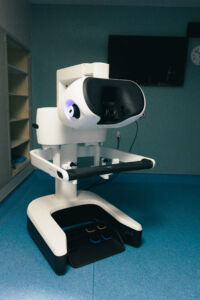
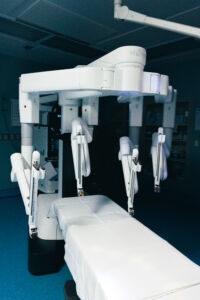
- St. Elizabeth Healthcare is a high-volume center with perioperative outcomes that meet or exceed national benchmarks. In addition to traditional open surgery, we are among a select group of centers nationwide offering robotic assisted, minimally invasive approaches for both pancreaticoduodenectomy and distal pancreatectomy, helping support advanced care and recovery.
-
Chemotherapy — Therapy that uses drugs injected through IV, taken by mouth or applied on the skin to attack and kill cancer cells.
- Radiation therapy — Therapy that uses high-energy radiation to shrink tumors and kill cancer cells.
- Immunotherapy — Medication therapy that stimulates your own immune system to recognize and destroy cancer cells.
- Supportive care — Helping you coordinate appointments and treating the side effects of cancer or treatment.
- Precision medicine — Uses your DNA and the genetic makeup of your tumor to select treatments that specifically target the cells that cause pancreatic cancer. These therapies are designed to block the pathways cancer cells use to grow and spread.
- Clinical trials — Provide access to new and innovative treatments, including advanced drug therapies and targeted approaches being developed for pancreatic cancer. Clinical trials give patients the opportunity to receive cutting‑edge care that is not yet available as a standard treatment.
Understanding Surgical Options
Several surgical procedures may be used to treat pancreatic cancer, depending on the location and stage of the disease. The illustrations below provide an overview of the Classic Whipple procedure and Distal Pancreatectomy approaches.
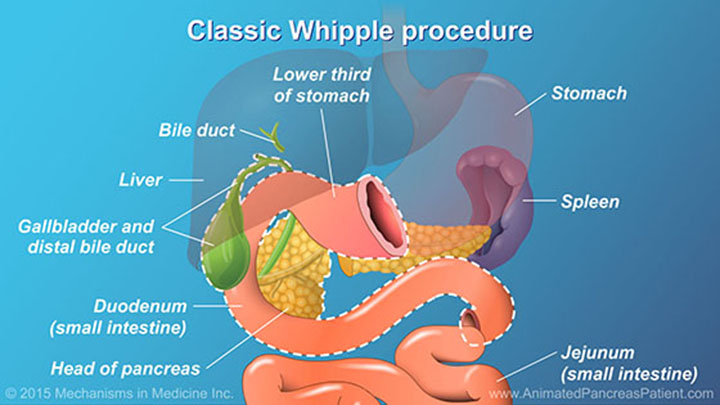
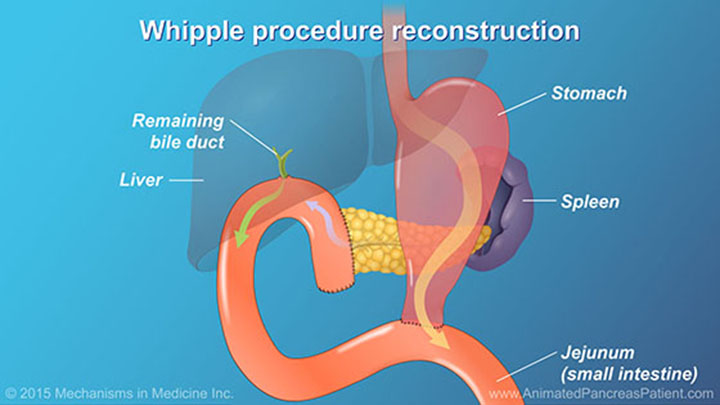
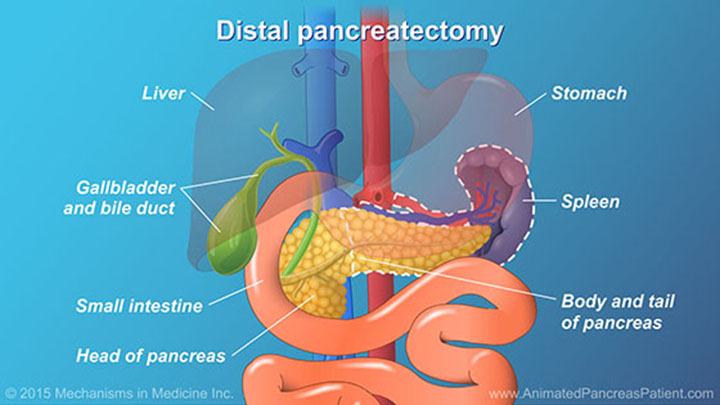
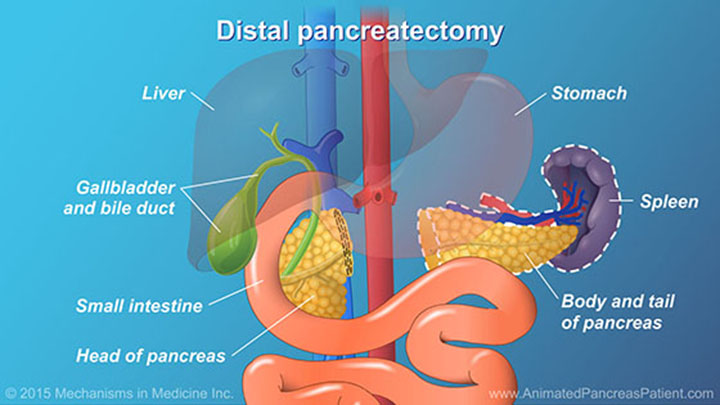
Illustrations from materials available through The National Pancreas Foundation: Animated Pancreas Patient.
Preventing Pancreatic Cancer
Lifestyle changes that can reduce your risk of pancreatic cancer include:
Patient Testimonials



Thomas Hopkins
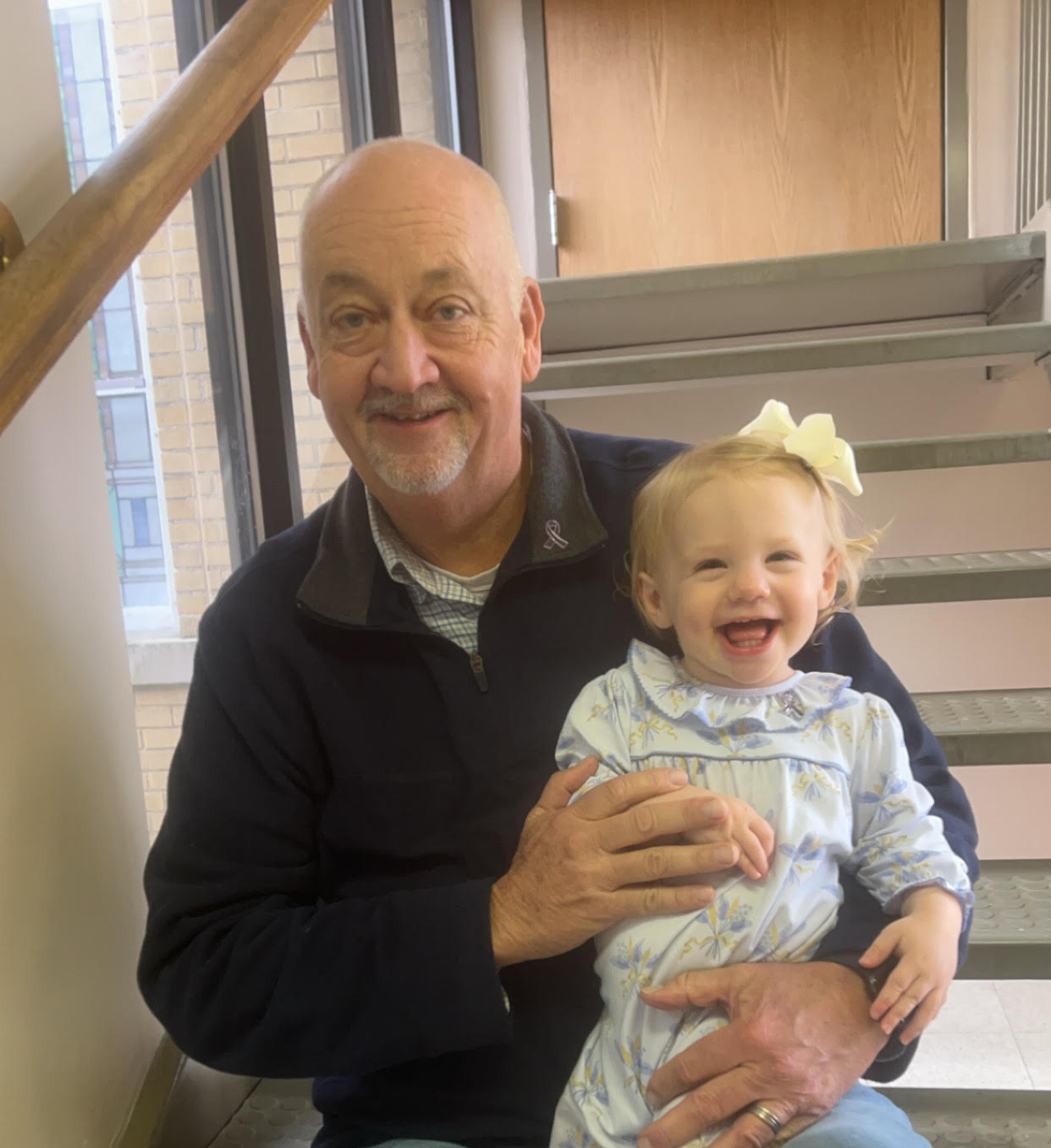
Like many, Tom Hopkins put off going to the doctor. When his symptoms finally forced him into the emergency department, he learned he had pancreatic cancer. His year-long cancer battle wasn’t easy. But with support from a multi-disciplinary team at St. Elizabeth and his family, Tom is back to living the life he loves.
Your Cancer Care Team

The team includes medical oncologists specializing in immunotherapy and precision medicine, surgical oncologists, radiation oncologists, interventional radiologists, pain management specialists, genetic counselors, pathologists, nutritionists, pharmacists, nurses and support staff. They work together to create a treatment plan that’s just right for you.
Frequently Asked Questions About Pancreatic Cancer
Schedule Your Appointment Today
Call Your Primary Care Provider
Talk to your primary care physician about when you should have your cancer screenings. Call (800) 737-7900.