World Renowned Cancer Care, Close to Home
Dave’s Cancer Story
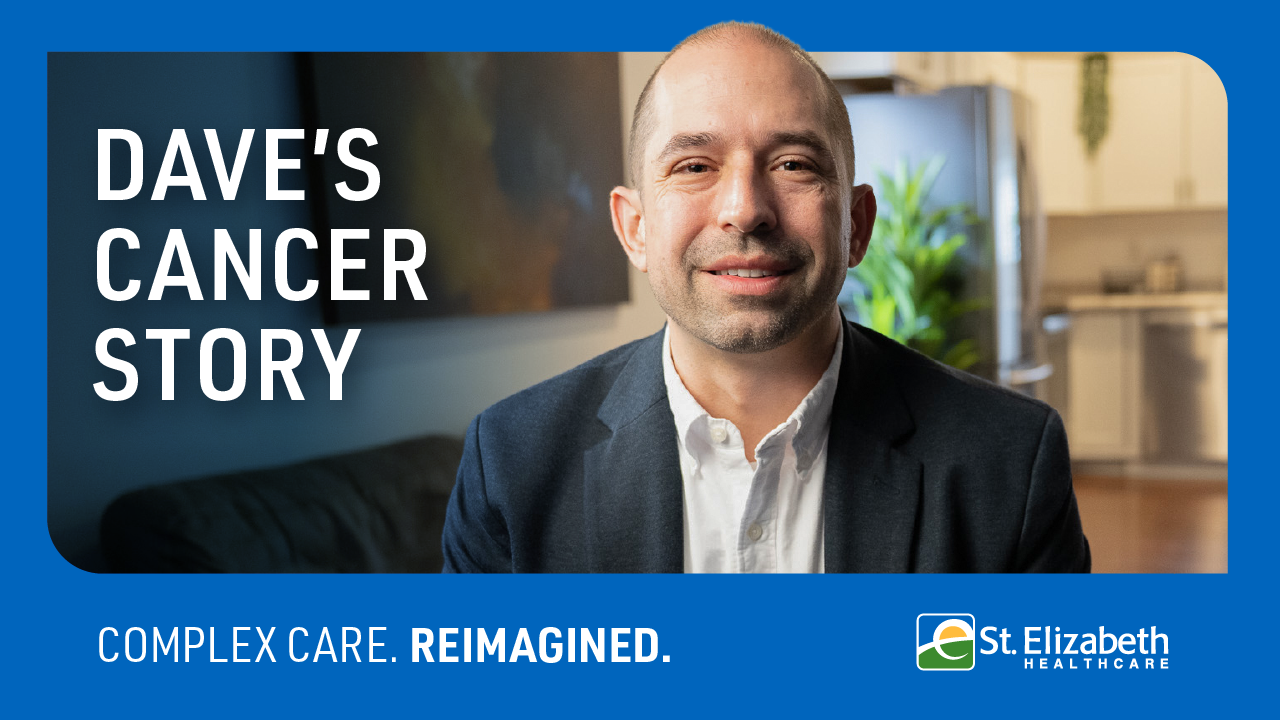
Innovative, Nearby Care Heals and Inspires Community Leader
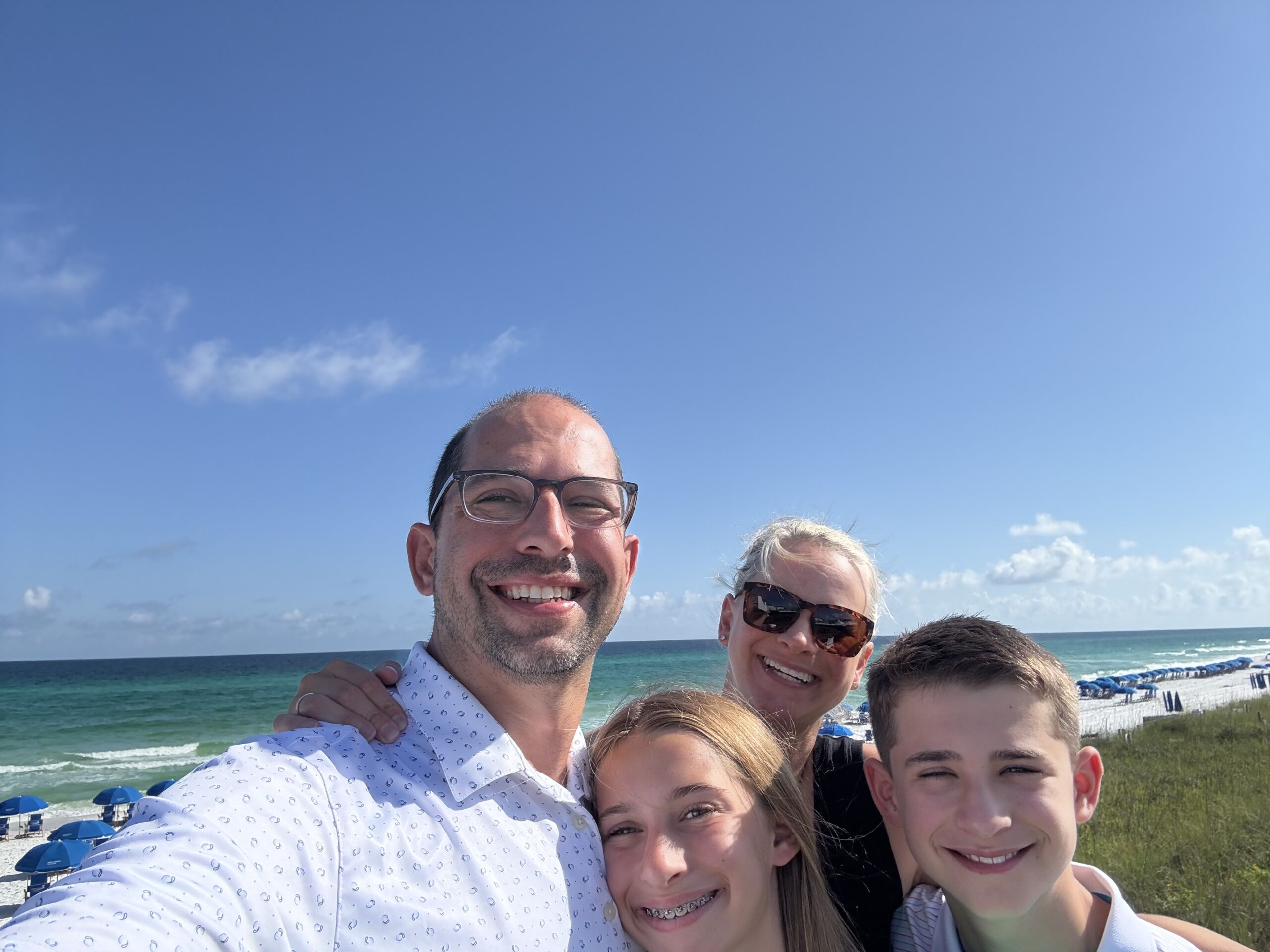
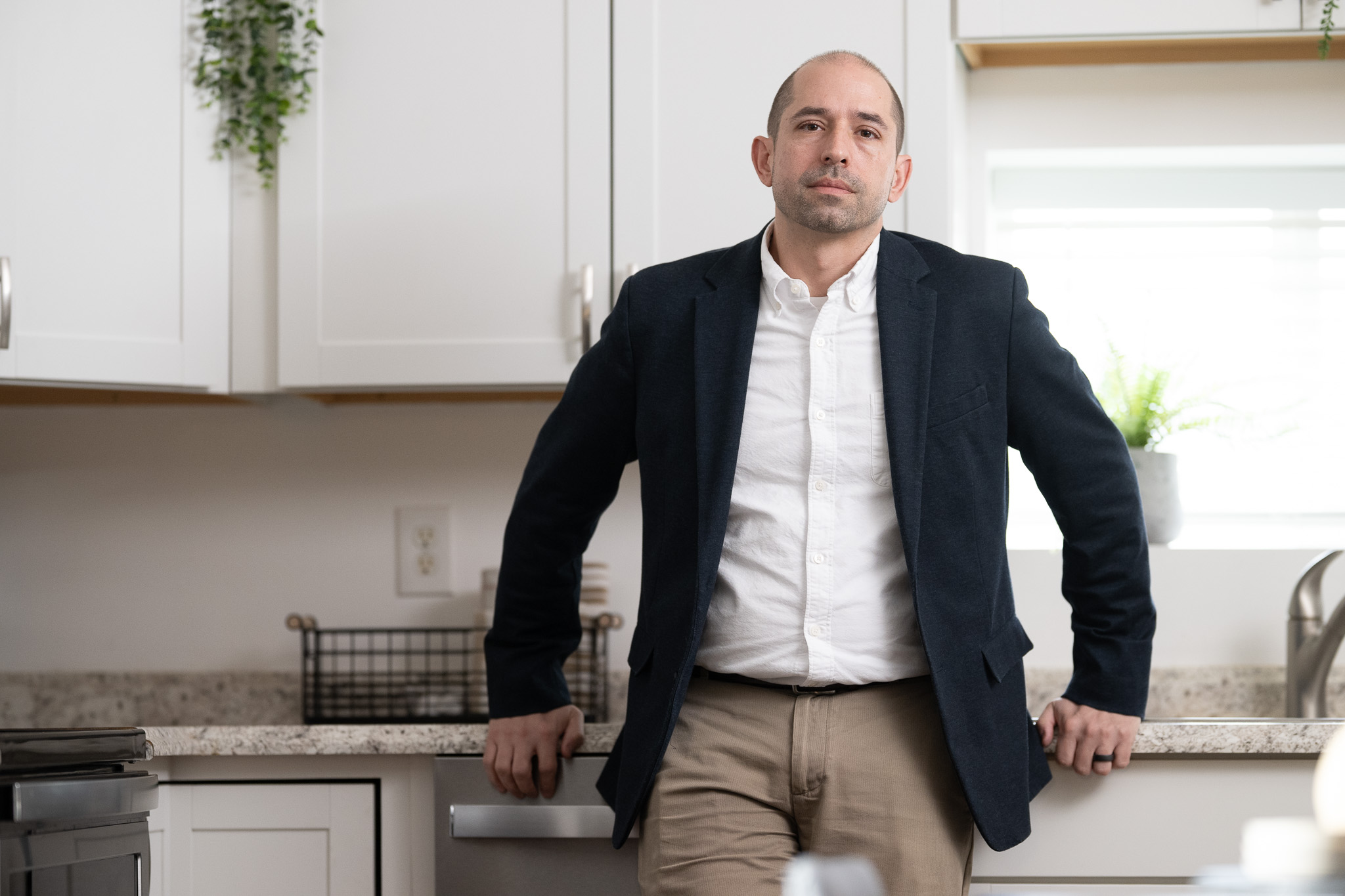
Dave Knox, devoted to his family and deeply invested in his community, had just been honored with the Mentor of the Year award by Kentucky Entrepreneur Hall of Fame. Then his doctor found something.
What followed was a cancer diagnosis and a fight fueled by the most advanced precision medicine available. He discovered a level of care he never imagined he’d find so close to home, delivered by the world‑renowned team at the Yung Family Cancer Center at St. Elizabeth.
An Unexpected Diagnosis
Dave was diagnosed with testicular cancer in November 2024. The news brought the kind of fear that stops you in your tracks. Thoughts of family, of the future, of what came next, surfaced. But Dave didn’t stay there long.
“I’m a husband and a father of 12-year-old twins, and the first thing was just thoughts of family,” he says. “But then the second thought was, ‘I need to call my friends at St. Elizabeth and figure out how to tackle this.’”
Make an appointment
For more information, please contact your oncologist or the Cancer Care Center at (859) 301-4000.
A Weight Off His Shoulders
As the executive director of Blue North, an organization that supports Northern Kentucky’s entrepreneurs, Dave knew St. Elizabeth as a community partner. What he didn’t yet know was what waited for him at the Yung Family Cancer Center. There, he found a level of cancer care he hadn’t expected so close to home.
An initial conversation with Doug Flora, MD, Executive Director of Oncology Services at St. Elizabeth, opened his eyes, calmed his fear and showed him that the answers weren’t somewhere far away. Surgery to remove his cancer was just the first step.
Dr. Flora introduced Dave to Matthew Kurian, MD, an Oncologist at St. Elizabeth. Dr. Kurian immediately became Dave’s partner-in-care, helping to create a treatment plan that respected Dave’s wishes, supported his goals and tackled his health needs.
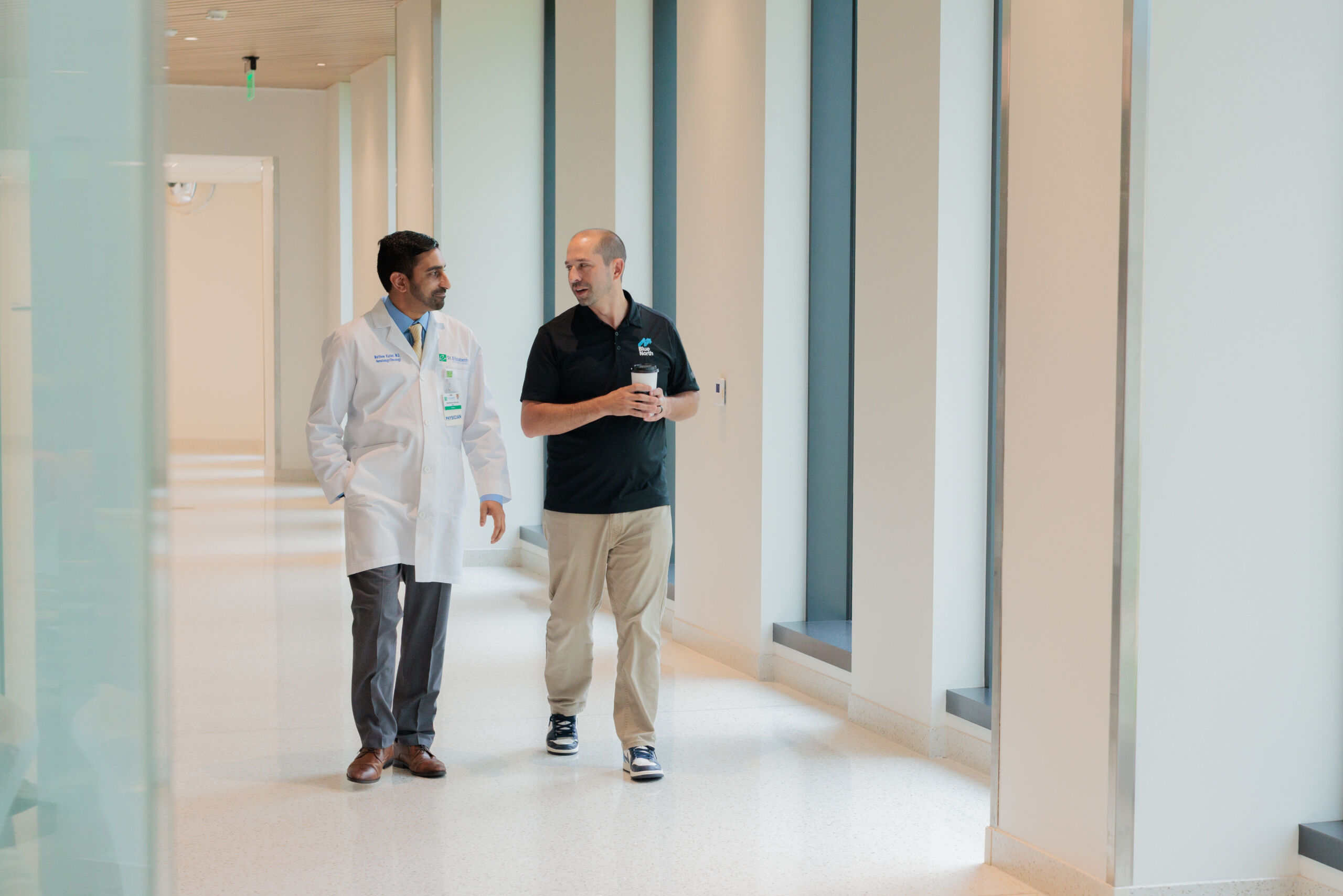 “Dr. Kurian and I sat down to talk about where we were at,” Dave says. “What is the stage? What does that mean? What do we need to look at from an innovation standpoint to tackle this?”
Dave’s initial concern was chemotherapy and the potential side effects. During thorough conversations, Dr. Kurian explained that the treatment — and other novel approaches — could best protect Dave’s long-term health and well-being. Together, they created a unique, customized treatment plan.
“It’s very important to present all the potential options. We’re talking about newer types of technology that can augment our ability to detect recurrences, to be able to predict someone’s outcomes five, 10 years from now,” Dr. Kurian says. “Information is power in my mind, and the more information we have, the better. So, I think in Dave’s case, we gathered all the information we could upfront, made the best decision possible and really tailored it for him.”
Innovative Therapies That Improve Outcomes
Dave’s treatment plan included several weeks of intense chemotherapy. He responded well and is cancer-free today.
“We used a combination of tried-and-true therapies, blending it with an innovation to make the best of both worlds, to make my survival rate as high as humanly possible,” Dave says.
That innovation is a novel genetic test — the Signatera™ assay — that can detect the tiniest levels of tumor DNA in the bloodstream. It’s a test typically available only at large academic medical centers. St. Elizabeth routinely offers it as a critical part of long-term cancer care and maintenance, bringing that level of precision to patients right here in the region.
“Our traditional cancer markers do a good job, but sometimes still fall short in some ways. The Signatera assay is the way of the future,” Dr. Kurian says. “Within testicular cancers and many other cancers, we can detect those recurrences much sooner and be able to treat someone and cure them.”
The Signatera assay is just one tool that puts St. Elizabeth at the forefront of cancer care.
“Our use of molecular testing and other precision medicine tools gives individuals their best chances of defeating and curing their cancer altogether,” he says. “That’s the future of oncology, and it’s happening right here.”
 Complete, Convenient Care for the Whole Patient
For Dave, one of the most meaningful discoveries was how much was available without ever leaving home. According to Dr. Kurian, cancer care at St. Elizabeth is exceptional because it brings together world-class treatments, advanced clinical expertise and gentle, compassionate support in a single spot that’s convenient to everyone in the community.
“Individuals don’t need to seek out care at larger places and travel two, three hours,” he says. “They can get the same level of care and new, cutting-edge technologies and treatments right in their backyard.”
New medications and clinical trials give patients access to forward-thinking therapies. And the multidisciplinary approach to care helps patients feel seen, heard and valued. Surgical and radiation oncologists, pathologists, geneticists, pharmacists, nurses, nurse navigators and social workers routinely collaborate to design and deliver customized care for every patient. Through this whole-person approach, St. Elizabeth care teams evaluate and nurture each person’s physical, mental and emotional health.
“Whole person care is something that doesn’t just incorporate me, the surgeons and the radiation oncologist. It really focuses on healthy living, healthy eating, precision medicine and taking care of oneself from a mental perspective,” Dr. Kurian says. “Incorporating those things together, in addition to the treatment, is receiving the total package. We are not just physically caring for one’s cancer. We’re taking care of you, your family.”
Early Detection is Essential — Know When to Seek Care
Dave’s story is a reminder that a diagnosis can arrive at any moment. Testicular cancer is rare. Men between 15 and 45 are most at risk. This type of cancer can be aggressive, so it’s important to reach out to your doctor if you have any of these symptoms:
- Back pain.
- Dull ache in your lower belly or groin.
- Enlarged or tender breast tissue.
- Heavy feeling in the scrotum.
- Lump or swelling in either testicle (can appear suddenly).
- Pain or discomfort in a testicle or the scrotum.
Talk to your Primary Care doctor if you notice any symptoms. Testicular cancer can spread quickly. But it’s highly treatable, especially when caught early. If you have a family history of testicular cancer, St. Elizabeth offers genetic testing to assess your risk.
For Dave, what felt impossible turned out to be closer than he ever imagined, and it changed everything. If you need cancer care, call (859) 301-4000, find a doctor or request an appointment today. Take a tour of the Yung Family Cancer Center at St. Elizabeth.