Thoracic and Foregut Surgery

Thoracic and Foregut Surgery at St. Elizabeth Healthcare combines the skill and expertise of surgeons from two surgical sub-specialties – thoracic and foregut surgery – into a single team that works hand-in-hand to address a host of interrelated medical conditions.

Thoracic surgery encompasses surgery on the chest wall and organs contained within the thoracic, or chest, cavity. Foregut surgery addresses problems in the esophagus and stomach.

About Our Program

Our team is made up of highly skilled surgeons who are comfortable working on both sides of the diaphragm and consequently approach the chest and foregut as a unit rather than dividing problems between those in the chest and those in the abdomen. This gives you better care that focuses on you and what you need to achieve optimum health.

We specialize in minimally invasive surgical approaches including:

  • VATS (video-assisted assisted thoracoscopic surgery) – surgery that uses a small video camera placed in your chest via small incisions to minimize trauma and recovery time.
  • Laparoscopic Surgery – abdominal surgery that uses a small video camera placed in your abdomen via small incisions to minimize trauma and recovery time.
  • Robotic Surgery – surgery that uses very small tools attached to a robotic arm. Your surgeon controls the robotic arms.

Our thoracic experts are part of a multidisciplinary team, which includes specialists from oncology, radiology, pulmonology and gastroenterology. In this way, we can provide you with the most thorough and comprehensive care for your condition.

You will also benefit from the support of physician assistants, nurse navigators, experienced medical assistants and medical secretaries. These compassionate, well-trained professionals ensure that your care is coordinated and communicated to you every step of the way on your journey towards improved health and wellbeing.

Learn More

For more information or to schedule an appointment with the St. Elizabeth Thoracic Surgery office, please call
(859) 301-2465.

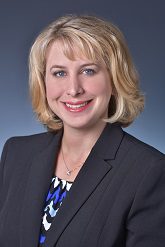
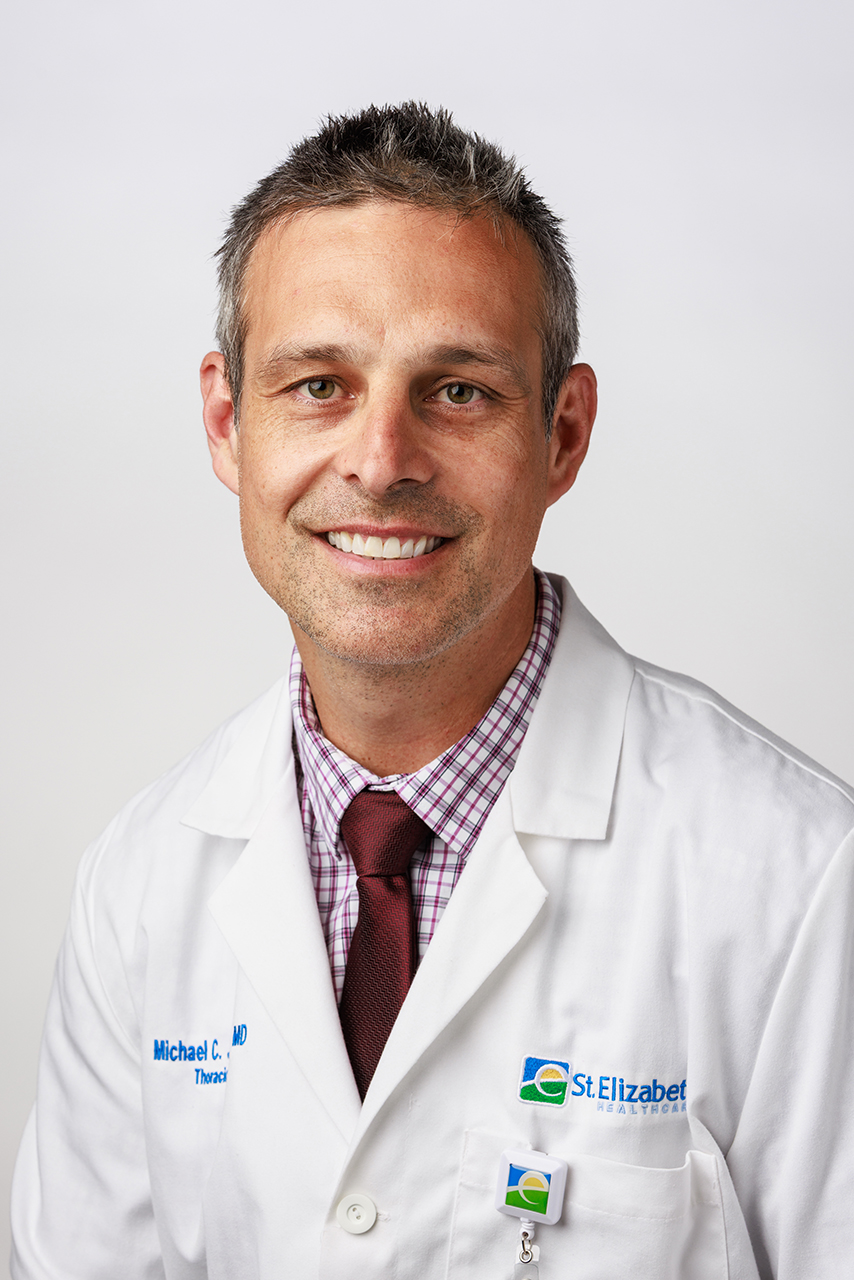
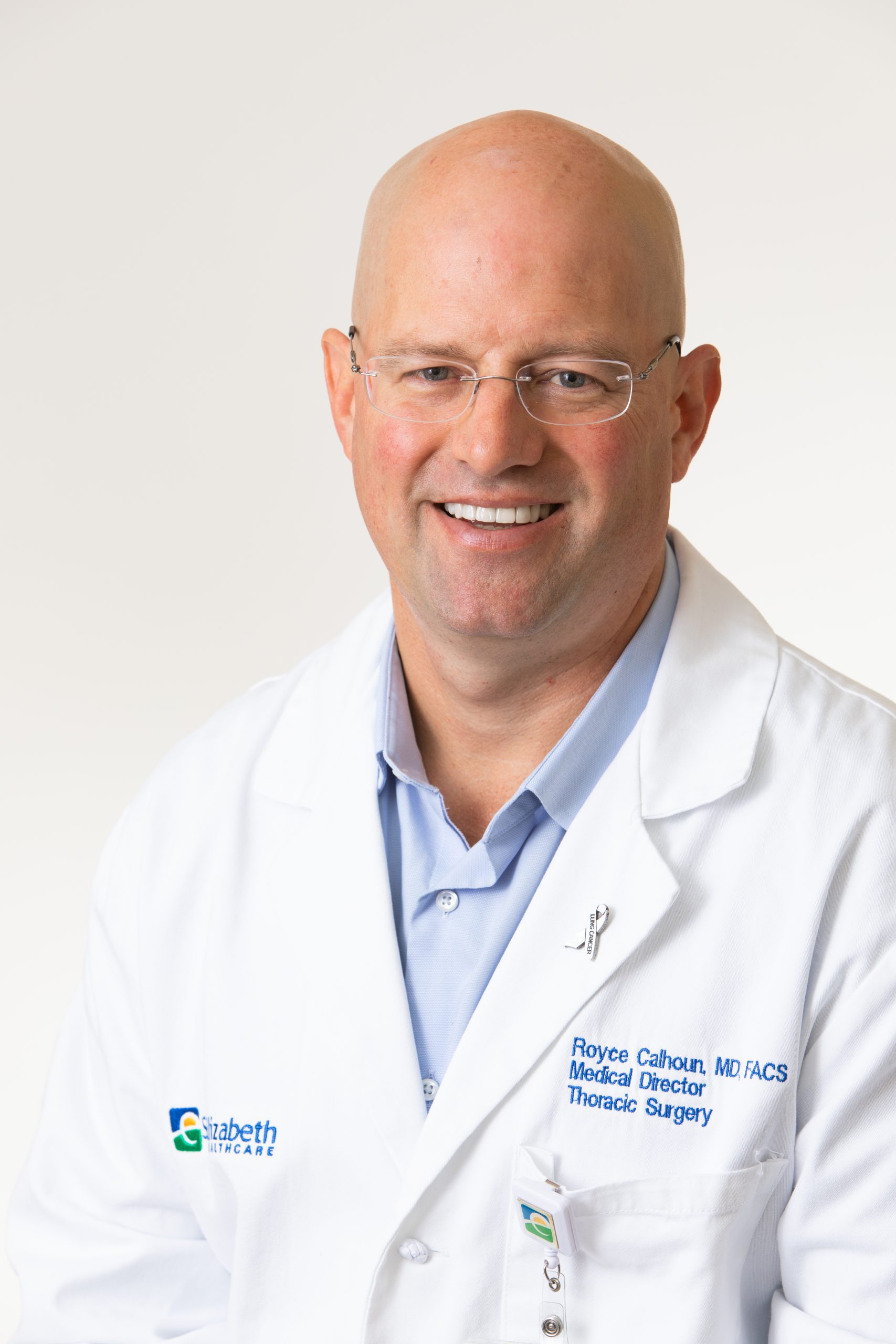
Your Thoracic Doctors
Conditions We Treat

Lung Conditions

Lung Conditions

  • Carcinoid tumor

  • Chest wall tumors
  • Emphysema surgery for COPD
  • Interstitial lung disease
  • Lung metastases
  • Lung volume reduction surgery
  • Pancoast tumor
  • Pneumothorax
  • Pulmonary sequestration
  • Tracheal tumor
Lung Conditions

Other Conditions

  • Diaphram paralysis and eventration
  • Empyema
  • Myasthenia Gravis
  • Pectus excavatum
  • Pleural effusion
  • Sweating Hyperhydrosis
  • Thymoma and Mediastinal tumors/cysts

Do I Qualify for a Lung Screening?

Take this quiz to determine if you are a candidate for a low-dose lung screening CT scan, including our new Retail Lung Cancer Screening option.

Frequently Asked Questions About Thoracic Cancer

Thoracic cancers are cancers that develop in the chest. These include lung cancer, esophageal cancer, mesothelioma, thymic tumors and cancers that affect the trachea or chest wall. At St. Elizabeth Healthcare, the thoracic and foregut surgery team works closely with specialists in oncology, pulmonology, gastroenterology and radiology to diagnose and treat these conditions. This team-based approach helps ensure patients receive comprehensive and coordinated care.
Most lung nodules are not cancerous. Prior infections, scar tissue or other noncancerous conditions can cause nodules. Doctors evaluate nodules based on their size, shape and growth over time. Depending on your results and risk factors, your care team may recommend monitoring the nodule with follow-up imaging or performing additional tests such as a PET scan or biopsy.
Although smoking is the leading cause of lung cancer, approximately 10–15% of lung cancer patients have never smoked. Non-smoker lung cancers are more common in women. Risk factors may include exposure to radon gas (the second leading cause of lung cancer overall), secondhand smoke, asbestos, air pollution or genetic factors. Lung cancer in nonsmokers may also involve specific genetic mutations that can be treated with targeted therapies.

You may be a candidate for lung cancer screening if you are between 50 and 80 years old and have a history of heavy smoking, or if you are a former smoker who quit within the past 15 years. Screening uses a quick, low-dose CT scan and can find cancer before symptoms appear. Take the short quiz on our website to find out if you qualify.

Long-term gastroesophageal reflux disease (GERD) can sometimes lead to a condition called Barrett’s esophagus. Barrett’s esophagus occurs when the lining of the esophagus changes due to repeated exposure to stomach acid. This condition can increase the risk of developing esophageal cancer. Regular monitoring and treatment of GERD can help reduce complications and detect any changes early.
You may need surgery if a condition affecting the lungs, esophagus or chest requires removal or repair. Examples include lung cancer, esophageal cancer, severe GERD, hiatal hernias, lung nodules or other structural conditions in the chest or upper digestive tract. Your surgeon will review imaging, test results and your overall health to determine whether surgery is the most effective treatment option.
Many thoracic cancers can be treated with therapies in addition to chemotherapy. Depending on the type of cancer, treatment options may include surgery, radiation therapy, targeted therapy or immunotherapy. Targeted therapies focus on specific genetic changes in cancer cells. Immunotherapy helps the immune system recognize and attack cancer cells.

Recovery depends on the type of surgery you have. Minimally invasive procedures like video-assisted thoracoscopic surgery (VATS) typically mean a shorter hospital stay and a faster return to normal activities than open-chest surgery. Fatigue and some discomfort are common early on. Your care team will give you specific guidance on what to expect before you go home.

Schedule an Appointment Today

Call Us to Schedule a Visit

For more information or to schedule an appointment with the St. Elizabeth Thoracic Surgery office, please call
(859) 301-2465.

Get Directions & Learn More